
Digital NOTAM: notices that enhance safety and improve flight punctuality
Text-based incident communication has limitations in an environment where speed is essential
3 reading time

Digital NOTAM is more than just a concept. In aviation, every minute counts—and increasingly so. A closed runway, a change in an approach procedure, or works on the taxiway can make the difference between a safe, on-time flight and a potential risk that could lead to delays or even cancellation.
To communicate these incidents, NOTAMs (Notice to Airmen) have existed for decades, traditionally distributed as text—often lengthy and difficult for pilots to interpret. While effective in their time, this format has clear limitations in an environment where speed and precision are critical.
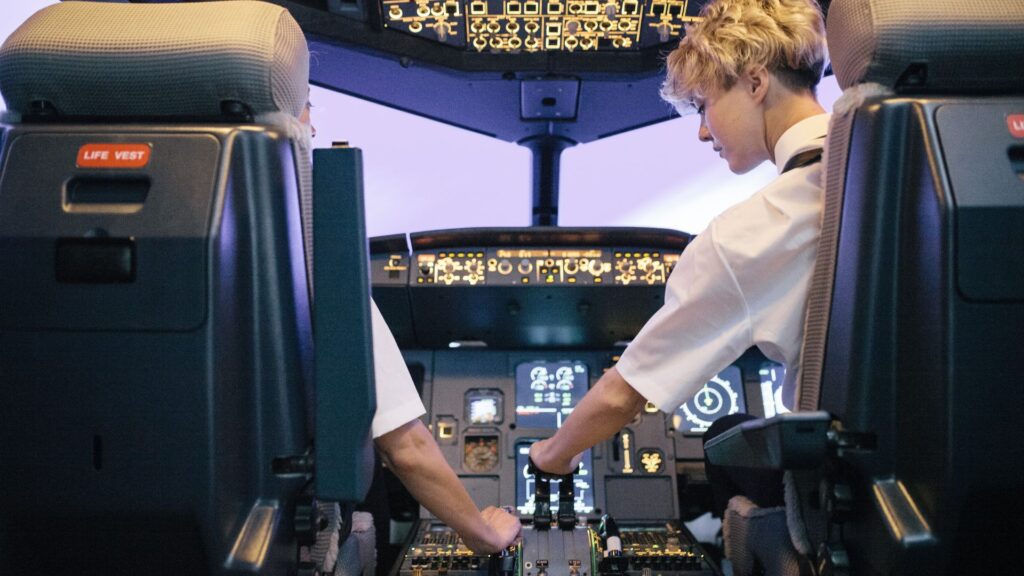
Indra Air Traffic’s Digital NOTAM introduces a fundamental shift: information moves from plain text to structured digital data that electronic systems can process and display graphically. This is not just a technological advance but an operational one, transforming how pilots, controllers, and operators access critical information.
Benefits of Digital NOTAM for pilots
The digitalisation of NOTAMs delivers tangible benefits:
- Better understanding: notices are displayed on interactive maps or flight planning screens, allowing pilots to identify at a glance what is happening and where. This graphical representation reduces cognitive load and prevents misinterpretation.
- Faster processes: automation eliminates the need to manually read and interpret long, often cryptic text strings. This saves significant time in flight preparation, especially for complex operations or multi-stop journeys.
- Fewer errors: digital validation ensures information is complete, accurate, and unambiguous. By removing reliance on human interpretation, risks associated with reading errors are minimised.
- Greater safety and confidence: with clear, reliable data, pilots and operators can make decisions more safely, reducing the likelihood of incidents and improving punctuality.
A step towards the future of aviation
This advance aligns with ICAO’s Global Air Navigation Plan, which promotes the digitalisation of aeronautical information management as a cornerstone for the future of air transport.
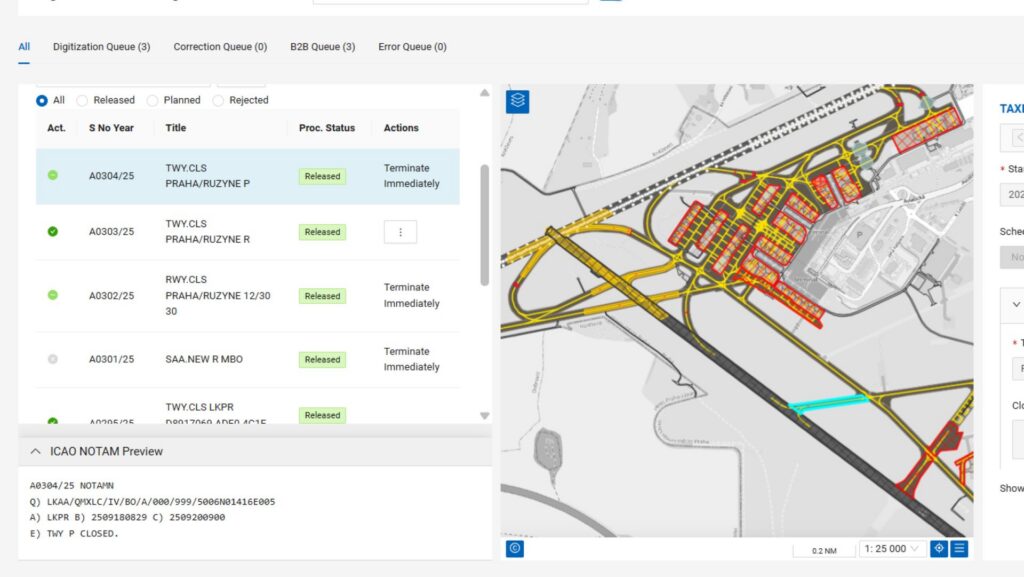
The transition to systems based on structured data is not optional—it is essential to guarantee interoperability and efficiency in an increasingly connected sector.
Indra and collaborative innovation
Indra does not just develop technology; it fosters collaboration with its clients. Each year, we organise the User Group Meeting, a forum where airlines, air navigation service providers, and authorities share experiences and receive updates on our products, such as Digital NOTAM.
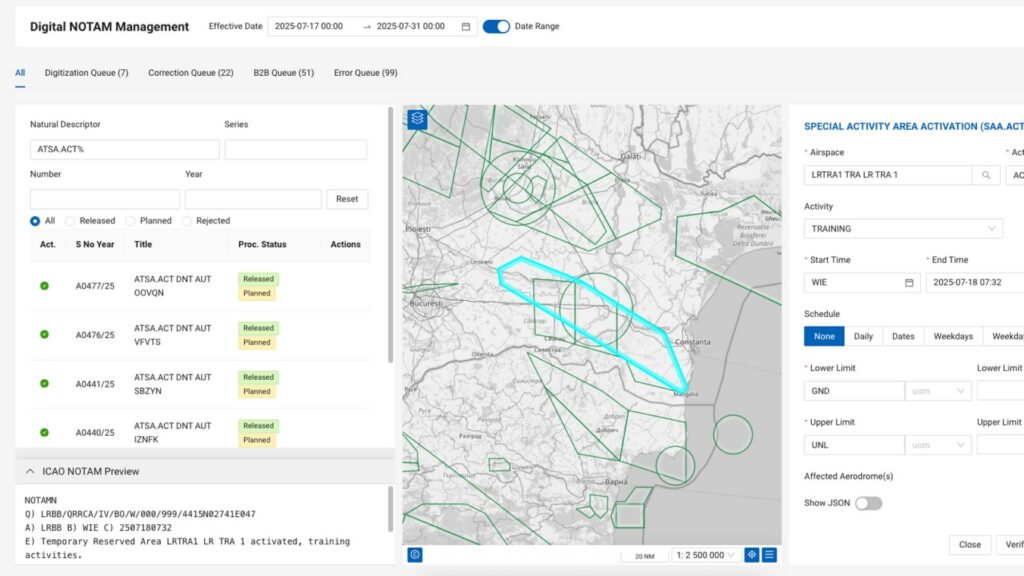
This exchange ensures our solutions evolve according to the real needs of those who use them daily, reinforcing our commitment to practical innovation.
Benefits of Digital NOTAM for passengers
Although passengers do not interact directly with this technology, its impact on the flight experience is clear. Thanks to Digital NOTAM:
- Flights are safer because critical information arrives on time and without errors
- Airlines and airports can plan better, reducing delays and cancellations
- Resources are optimised, contributing to more sustainable and efficient operations
In short, Indra’s Digital NOTAM is not just a tool for professionals—it is a key link in the chain that ensures millions of people reach their destination safely and punctually..
Indra’s Digital NOTAM introduces a fundamental change: information is no longer presented as plain text but as structured digital data that electronic systems can process and display graphically. This advance is not only technological but operational, as it transforms how pilots, controllers, and operators access critical information.
Recommended for you
Related Articles
If satellite-based navigation is more efficient, why do conventional navaids remain essential?


UTM: why is a drone traffic management system necessary?


Startical: why transoceanic flights will become safer and more efficient



The world’s most advanced remote digital tower is in…



Linkia: A digital platform natively designed for a new era of air traffic management