
If satellite-based navigation is more efficient, why do conventional navaids remain essential?
Incidents involving signal interference and spoofing have highlighted their importance
3 reading time

In an increasingly complex global environment, reliability and resilience in air navigation have never been more important. As geopolitical tensions rise, the aviation sector faces new operational challenges and proven technologies that ensure continuity of operations are critical.
Satellite-based navigation systems (GNSS) provide clear advantages, such as optimization of flight paths, which results in reduced travel times, lower CO2 emissions, and decreased operational costs. However, they are not immune to disruption. Jamming and spoofing incidents have highlighted the importance of maintaining robust, independent navigation infrastructures.
In this context, conventional navigation aids, commonly known as navaids, continue to deliver reliable, predictable performance and remain a vital part of modern air navigation.
The synergies of conventional navigation and GNSS
Conventional navaids and GNSS are not competing technologies. In many countries where GNSS has been implemented, they are expected to operate side by side for decades to come, forming a layered and resilient air navigation environment. This complementary approach enhances safety, availability, and operational confidence, ensuring that navigation services remain reliable even when satellite signals are degraded or unavailable.
For decades, conventional navigation aids have formed the backbone of safe and reliable air navigation. They are valued for their long operational history and reliable performance, even in the harshest climates. These characteristics make them well suited to both civil and military aviation environments, as well as to airports with demanding operational conditions.

Instrument Landing System (ILS) by Indra (Picture by Allan Klo)
Conventional navaids provide:
- Proven reliability in all weather conditions
- Predictable and cost-effective performance
- Essential backup capabilities that strengthen airports’ operational resilience
Together, these benefits support operational continuity and help safeguard air navigation services across the globe.

VHF Omnidirectional Range (VOR) by Indra
Indra’s leadership in conventional navigation
Indra is a trusted global provider of conventional air navigation systems, offering a comprehensive portfolio that includes:
- Instrument Landing Systems (ILS), including the market-leading Normarc ILS
- Distance Measuring Equipment (DME)
- VHF Omnidirectional Range (VOR) – including Doppler VOR (DVOR) and Conventional VOR (CVOR)
- Tactical Air Navigation (TACAN) in fixed-based, man-portable and shipboard versions
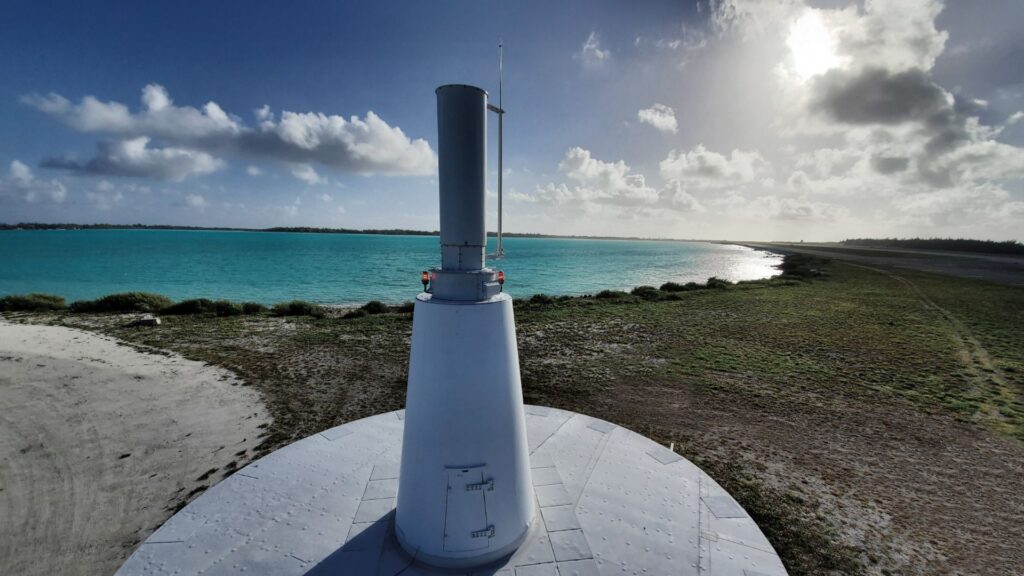
Tactical Air Navigation (TACAN) by Indra
All systems are designed to meet international standards while ensuring long-term reliability, maintainability, and operational stability. In total, Indra has delivered more than 8,000 air navigation systems to180 countries all around the world. The systems are used in the most complex and busy airports, as well as in remote locations with harsh weather conditions.

Distance Measuring Equipment (DME) by Indra
Expertise beyond technology
Beyond technology delivery, Indra has wide competence and expertise in air navigation systems. We can support customers in defining cost-effective and operationally stable navigation solutions. By carefully assessing site-specific requirements and operational needs, Indra helps customers build resilient navigation infrastructures that ensure safe air operations today.
In addition, Indra provides comprehensive technical training to equip the customers with the skills and competence required to ensure effective system operation and maintenance. Our proven ability to efficiently manage projects of varying complexity, from small deliveries to comprehensive turn-key projects, highlights our dedication to providing seamless, end-to-end services for our clients.
Conventional navigation aids have long formed the backbone of safe and reliable air navigation. They are particularly valued for their extensive operational track record and consistent performance, even under the most demanding weather conditions. These characteristics make them ideally suited to both civil and military aviation environments, as well as to airports with high operational requirements.
Recommended for you
Related Articles

UTM: why is a drone traffic management system necessary?


Startical: why transoceanic flights will become safer and more efficient



Linkia: A digital platform natively designed for a new era of air traffic management


The world’s most advanced remote digital tower is in…



What is the Single European Sky and what is Indra’s role?