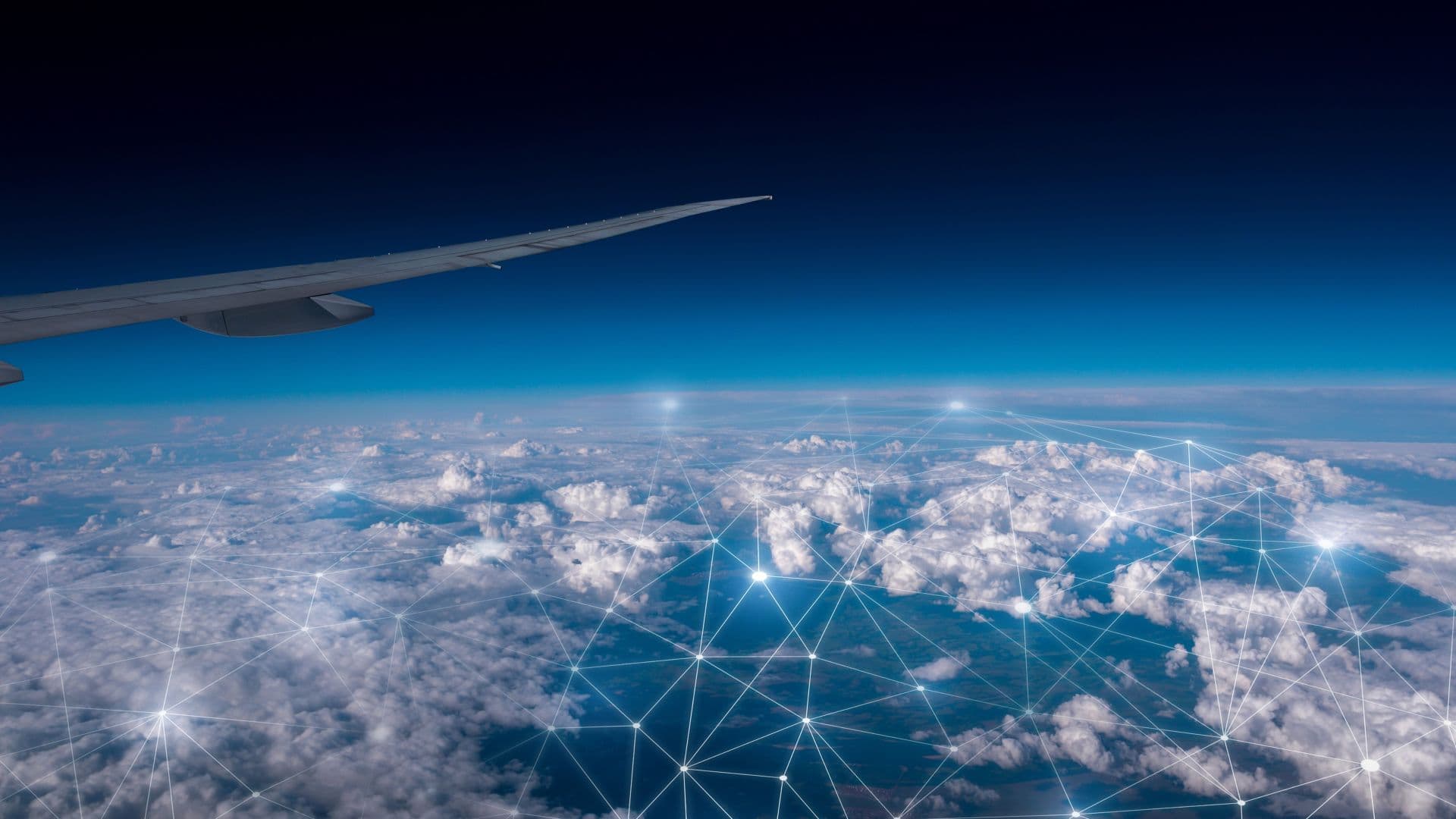
What is the Single European Sky and what is Indra’s role?
Indra is involved in 21 innovation projects with technologies that will transform the way Europe flies
3 reading time

What is meant by the Single European Sky? European aviation faces one of the greatest challenges in its history: managing an increasingly congested airspace while guaranteeing safety, efficiency, and sustainability. In this context, Indra has established itself as a key player in the sector’s digital transformation, driving the automation and interoperability demanded by the Single European Sky.
The Single European Sky (SES) is an EU-driven initiative whose primary objective is to restructure the continent’s air navigation management system and evolve towards more efficient air transport.
Among SES initiatives, the SESAR 3 Joint Undertaking, backed by the European Commission and Eurocontrol, stands out as the roadmap towards a digital, connected, and environmentally responsible airspace. Indra is participating in 21 innovation projects, leading four of them, with technologies that will transform the way Europe flies. These initiatives aim to reduce flight times, minimise emissions, and increase operational capacity through more automated and resilient systems.
Key solutions include AI-based digital assistants to support controller decision-making, and airspace virtualisation, which will allow management to be delegated between control centres to optimise resources and avoid congestion.
Cutting-edge technology for a borderless sky
Indra is also the technology partner of the iTEC Alliance (interoperability Through European Collaboration), comprising seven European air navigation service providers (Germany, Spain, Great Britain, Lithuania, Norway, the Netherlands, and Poland) as well as Canada.
Together they are developing iTEC SkyNex, a system that will allow an aircraft to cross practically half the globe under a single technology, ensuring interoperability and reducing airspace fragmentation.
This progress is complemented by the deployment of 4D trajectory-based systems (latitude, longitude, altitude, and time), which accurately predict each flight’s future position, reducing delays and emissions. The rollout of the iCAS system at the Munich area control centre (Germany) is an example of how Indra is bringing automation to one of Europe’s most complex airspaces.
From control centre to the cloud
The transformation is not limited to ground systems. Indra has developed the first public cloud digital platform for European air traffic management, in collaboration with Eurocontrol, Atos, and Microsoft. This solution enables more flexible and resilient management, with real-time access to critical data and advanced cybersecurity capabilities.
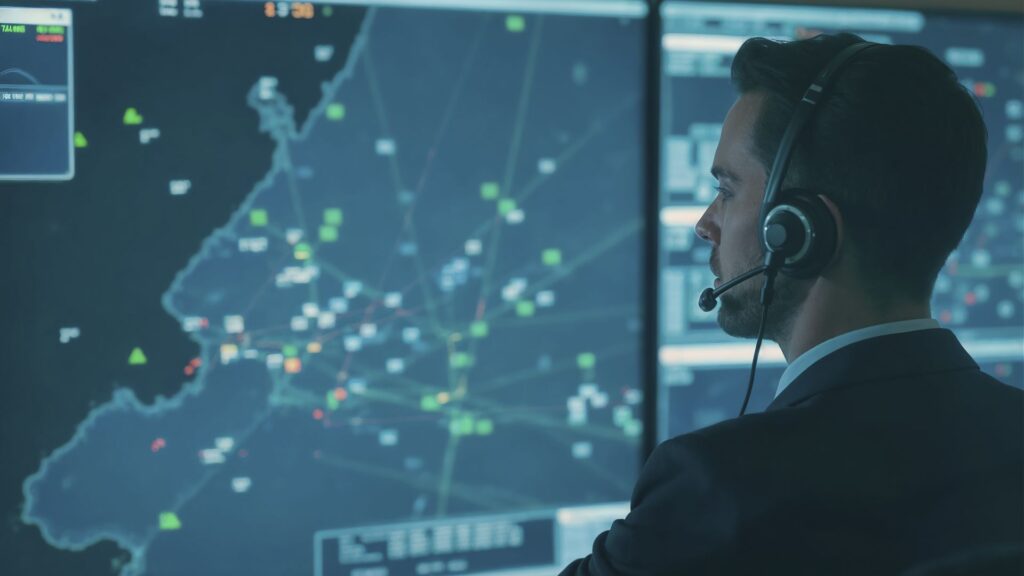
In addition, this platform will host the eEAD system, the world’s largest aeronautical information database, centralising global data to improve planning and operational safety.
Commitment to sustainability and innovation
Every technological advance pursues a common objective: reducing the carbon footprint and contributing to green aviation. Indra’s solutions optimise routes, reduce taxi times, and minimise fuel consumption, aligning with the sector’s global decarbonisation goals.
With over 11,000 systems installed in 180 countries and technology present in flights taken by 85% of the world’s passengers, Indra Air Traffic not only leads the digitalisation of Europe’s skies but is also shaping the future of global air traffic management.
The Single European Sky initiatives aim to shorten flight times, minimise emissions, and increase operational capacity through more automated and resilient systems.
Recommended for you
Related Articles
If satellite-based navigation is more efficient, why do conventional navaids remain essential?

UTM: why is a drone traffic management system necessary?


Startical: why transoceanic flights will become safer and more efficient


The world’s most advanced remote digital tower is in…



Linkia: A digital platform natively designed for a new era of air traffic management